
Blog – Project Guides & Know-How
Advice from Your Hardware Pros
No fluff—just practical, step-by-step guides tested at our counter. From weekend fixes to big backyard projects, we share helpful tips, seasonal checklists, and tool picks that help you get it done right the first time.

Blog – Project Guides & Know-How
Advice from Your Hardware Pros
No fluff—just practical, step-by-step guides tested at our counter. From weekend fixes to big backyard projects, we share helpful tips, seasonal checklists, and tool picks that help you get it done right the first time.

What you’ll find
Helpful tips for projects of all sizes
Actionable how-tos with shopping lists and safety notes
Expert-backed advice from the same team helping you in store
Latest Posts
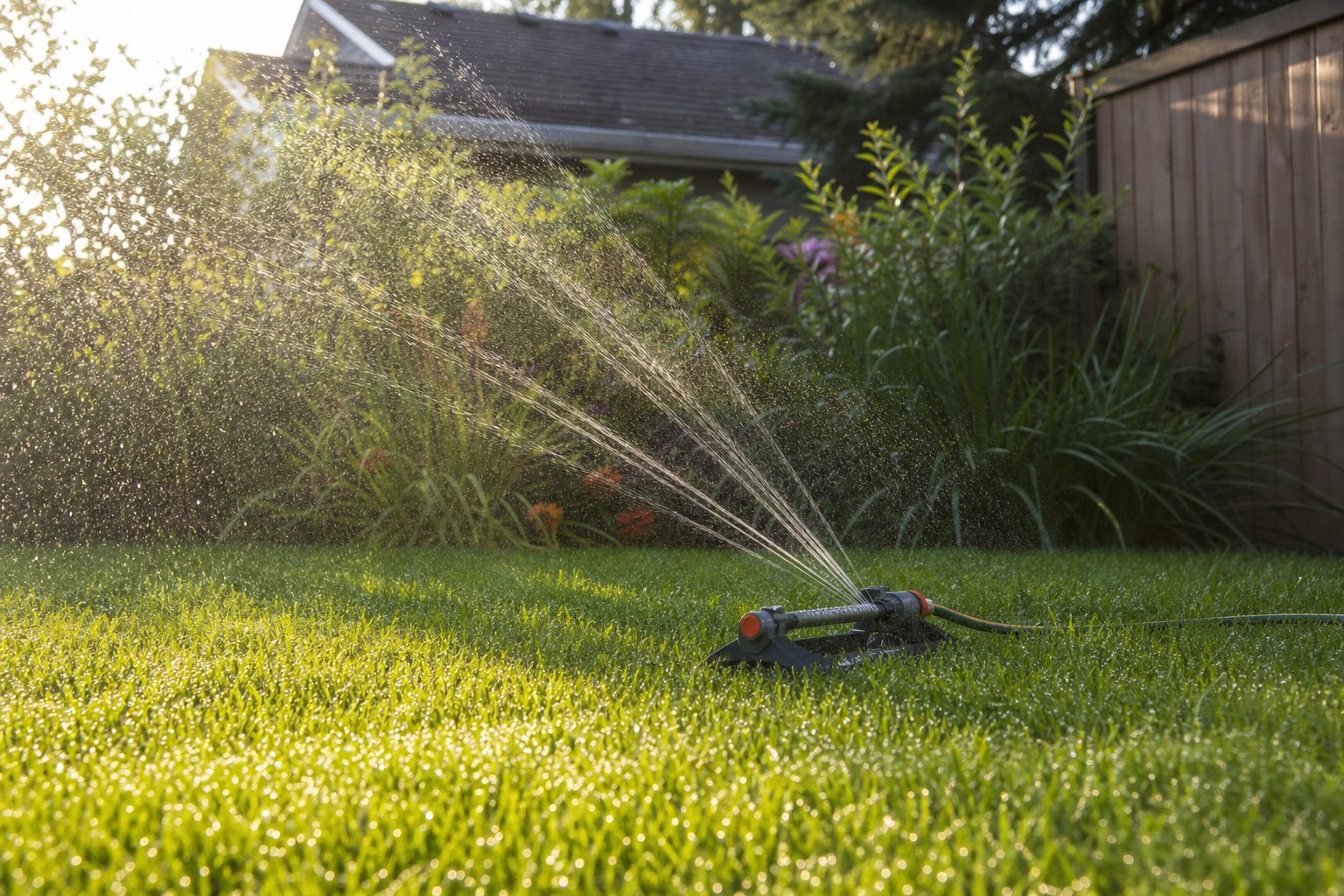
Late-Summer Lawn Care in Eugene: Keeping Grass Alive Through the Dry Stretch
People who have never lived here assume Eugene is wet year-round. We know better. From July into September, the southern Willamette Valley goes weeks without meaningful rain, and lawns that looked lush in June turn crunchy by mid-August. The good news: a Eugene lawn is one of the easier lawns in America to carry through summer, if you water smart and set it up for the fall rebound.
Here is the late-summer playbook we share with neighbors at Eugene True Value on Willamette Street.
First, decide: keep it green or let it sleep
You have two honest options in August, and both are fine.
Option one: let it go dormant. Northwest lawns are mostly cool-season grasses (perennial rye and fescue), and they are built to brown out in a dry summer and bounce back with the fall rains. A dormant lawn still needs about a half inch of water every two to three weeks to keep the crowns alive; it just does not need to be green.
Option two: keep it green. That takes roughly an inch of water per week in our August heat, delivered deeply and infrequently rather than in daily sips. Deep watering pushes roots down; shallow daily watering trains them to sit at the surface, where they cook.
Either way, water early in the morning. Evening watering leaves the lawn damp overnight, which invites the fungal problems our mild nights are famous for.
The gear that makes watering painless
Dragging a leaky hose around at 6 a.m. is how good intentions die. A few upgrades make the whole routine automatic:
- A kink-free hose changes everything. The Zero-G 50-foot garden hose is light enough to carry one-handed and does not fight you at the spigot. Bigger yard? The Flexzilla 5/8-inch by 100-foot hose reaches the back corner without a relay.
- An oscillating or impact sprinkler with good coverage beats standing there with a nozzle. The Dramm metal oscillating sprinkler covers rectangular lawns evenly, and the classic Gilmour impulse sprinkler on a step spike is the workhorse for bigger, odd-shaped areas.
- A timer removes the "did I turn it off?" problem. Screw a Raindrip hose-end automatic water timer onto the spigot, set it for 30 or 40 minutes, and walk away. It is the cheapest irrigation system you will ever install.
- For garden beds and shrubs along the fence line, a [soaker hose] laid under mulch puts water at the roots with almost zero evaporation loss. Ask us at the store and we will size one for your beds.
How do you know an inch is an inch? Set an empty tuna can on the lawn while the sprinkler runs. When the can is full, that zone has had its inch. Most people are surprised how long it actually takes.
Mow high, and leave the clippings
Set the mower deck at 3 inches or higher for the rest of the summer. Taller grass shades its own roots, holds moisture, and crowds out the weeds that thrive in heat-stressed turf. Leave the clippings down; they return moisture and nitrogen to the soil.
September is the most important month of the year for your lawn
Here is the part most people miss. In Eugene, fall (not spring) is when lawns are made. The rains return, the soil is still warm, and cool-season grass puts on its best growth of the year. Two moves pay off all next summer:
- Overseed thin spots in mid-September, right before the rain pattern returns, so nature does the irrigating for you.
- Feed the lawn going into fall. A fall-formulated fertilizer like Green Thumb Winterizer 32-0-10 builds root reserves through the winter. If you prefer a slow-release organic option, Milorganite is gentle, hard to over-apply, and works well on our valley soils.
Moss control can wait until later in the fall; we will cover that in a separate post, because in this town moss deserves its own article.
A note on water bills
EWEB customers see it every August: the summer water bill jumps. Deep-and-infrequent watering, morning timing, a timer on the spigot, and a taller mowing height are the four cheapest ways to keep that bill in check without sacrificing the lawn. Most of our customers find the timer pays for itself in the first season.
We are here on Willamette Street
If your lawn has a problem you cannot diagnose (brown circles, chewed patches, a corner that never greens up), snap a photo and bring it in to Eugene True Value at 2825 Willamette Street. Lawn questions are some of our favorite conversations, and the answer is usually simpler and cheaper than the internet makes it sound. Everything linked in this post is on our shelves right now, and you can check that it is in stock at eugene.shoptruevalue.com before you swing by on your way home.

Subscribe for Updates
Get new posts, seasonal tips, and deals in your inbox (1–2× per month).
Need Help with a Project?
Our knowledgeable team is here to help you plan, pick the right products, and finish with confidence.

