

Blog – Project Guides & Know-How
Advice from Your Hardware Pros
No fluff—just practical, step-by-step guides tested at our counter. From weekend fixes to big backyard projects, we share helpful tips, seasonal checklists, and tool picks that help you get it done right the first time.

Blog – Project Guides & Know-How
Advice from Your Hardware Pros
No fluff—just practical, step-by-step guides tested at our counter. From weekend fixes to big backyard projects, we share helpful tips, seasonal checklists, and tool picks that help you get it done right the first time.

What you’ll find
Helpful tips for projects of all sizes
Actionable how-tos with shopping lists and safety notes
Expert-backed advice from the same team helping you in store
Latest Posts
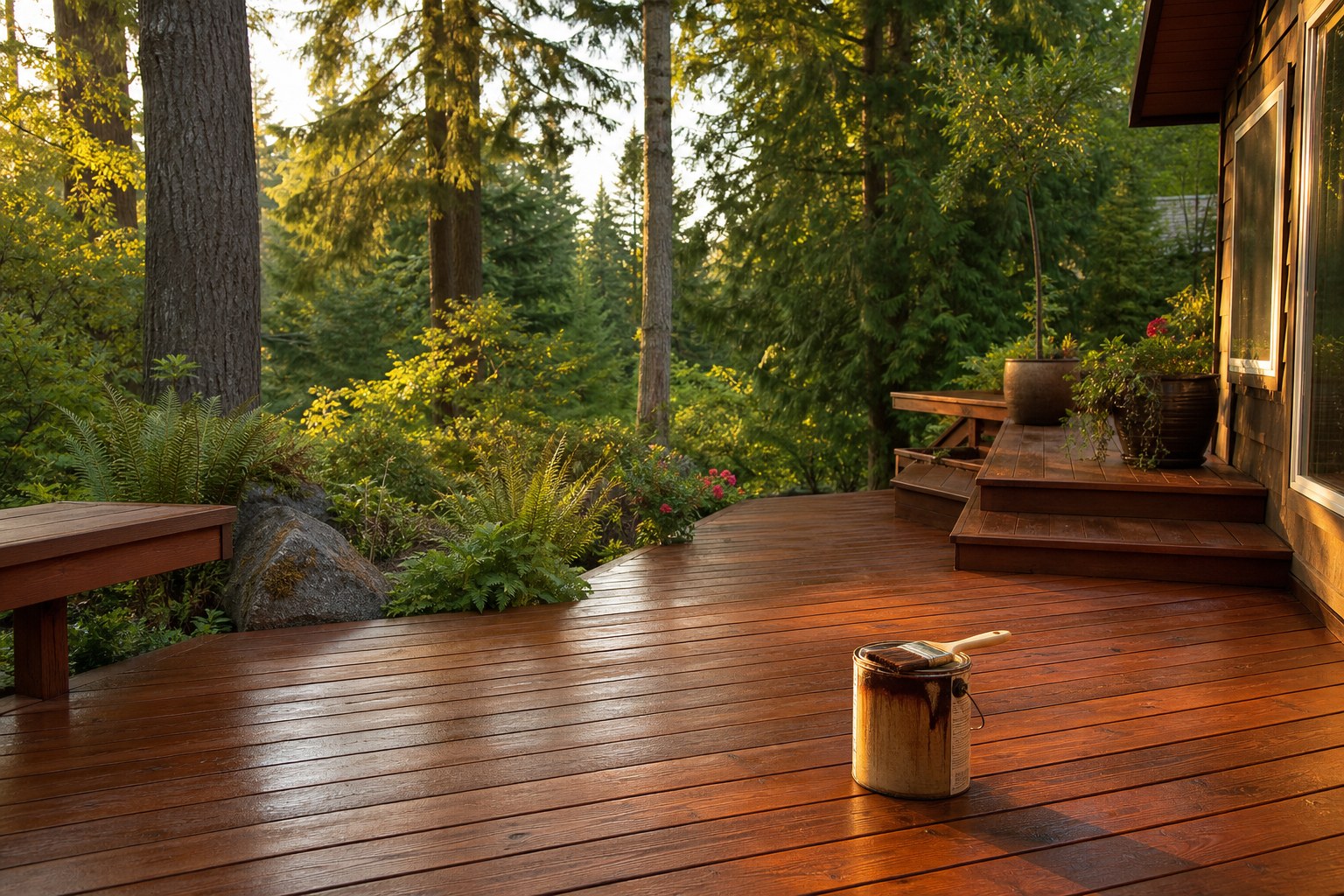
Seal Your Deck and Fence Before Eugene's Rainy Season Returns
If you have lived in Eugene through even one winter, you know what our weather does to bare wood. From October through May, decks and fences soak up months of steady rain, and by spring the boards are gray, fuzzy, and starting to check. The fix is simple, but the timing matters: late August and September are the sweet spot for staining and sealing in the southern Willamette Valley. The wood is dry all the way through, the overnight temperatures are still mild, and you have a comfortable window before the first real storms roll in.
Here is how to get it done right, in one weekend, with everything you need available at Eugene True Value at 2825 Willamette Street.
Why late summer is the window
Stain needs two things to cure properly: dry wood and a stretch of dry days. Most deck stains want the wood at 15 percent moisture or less and at least 24 to 48 hours of dry weather after application. In Eugene, that combination is easy to find in September and nearly impossible to find in November. Wait too long and you are gambling with the forecast; a surprise shower six hours after you stain can leave blotches you will look at for years.
There is a second reason to act now. Wood that goes into winter unsealed absorbs water, swells, and then contracts through every freeze. That cycle is what pops fasteners, opens cracks, and turns a 20-year fence into a 12-year fence. One afternoon of sealing buys you real years.
Step 1: Clean the wood first
Stain will not fix dirty wood; it will just seal the dirt in. Our winters grow a healthy crop of algae and moss on north-facing boards, so start with a dedicated cleaner rather than plain soap and water.
A gallon of Woodsman Deck Cleaner handles a typical backyard deck, or grab Olympic Premium Deck Cleaner in the 2.5-gallon size if you are doing the fence too. Apply it with a pump sprayer or a stiff brush, let it work for 10 to 15 minutes, then rinse thoroughly. If your deck has a gray, weathered look, a cleaner-brightener like Rust-Oleum RockSolid Deck & Patio Cleaner & Brightener will bring back a surprising amount of the original color.
Give the wood two or three dry days after washing before you stain. This is the step people skip, and it is the step that decides whether your stain lasts three years or eight.
Step 2: Pick the right stain for our climate
For the wet side of Oregon, we generally point people toward oil-based penetrating stains or quality acrylic stain-sealer combos. Penetrating products soak into the wood instead of forming a film, so they will not peel when the boards move through our wet-dry cycles.
A local favorite is Ready Seal Exterior Wood Stain & Sealer in Natural Cedar; it goes on without back-brushing, does not leave lap marks, and is very forgiving for first-timers. If you are covering a full privacy fence, the 5-gallon pail is the better buy.
Prefer a water-based product with a bit more color choice? Cabot Semi-Solid Deck & Siding Stain + Sealer can be tinted at our paint counter, and Olympic Maximum Deck, Fence & Siding Stain & Sealant is a solid one-can answer for older wood that needs more coverage.
Not sure which opacity fits your wood's age? Bring a photo of your deck into the store; that is usually all we need to steer you to the right can.
Step 3: Use the right applicator
A proper stain brush moves this job along twice as fast as a standard paintbrush and works the product into the grain. The Bravo Stainer 5-1/2-inch stain brush is the one our staff reaches for. On smooth deck boards you can roll with a 3/4-inch nap roller cover and back-brush as you go.
Step 4: Watch the forecast, then commit
Pick a stretch with two dry days and overnight lows above 50. Stain in the morning shade if you can; hot boards in direct afternoon sun flash the product off too fast. Thin coats beat thick ones. With a penetrating stain, one generous coat on the deck surface and a light second pass on the rail tops (the part that takes the most water) is the standard recipe.
A quick fence note
Fences fail from the bottom up. Before you stain, check that sprinklers are not soaking the lower rails and that soil or bark mulch is not piled against the boards. Staining a fence that stays wet at the base is treating the symptom, not the cause.
Stop by before the rain does
Every product mentioned here is stocked right now at Eugene True Value, 2825 Willamette Street, and our paint counter can tint stains while you wait. Bring your deck dimensions and we will help you figure out exactly how much you need, so you are not buying a gallon you will never open. The rain is coming; it always is. Get the wood ready while the sun is still doing you favors.

Subscribe for Updates
Get new posts, seasonal tips, and deals in your inbox (1–2× per month).
Need Help with a Project?
Our knowledgeable team is here to help you plan, pick the right products, and finish with confidence.

